
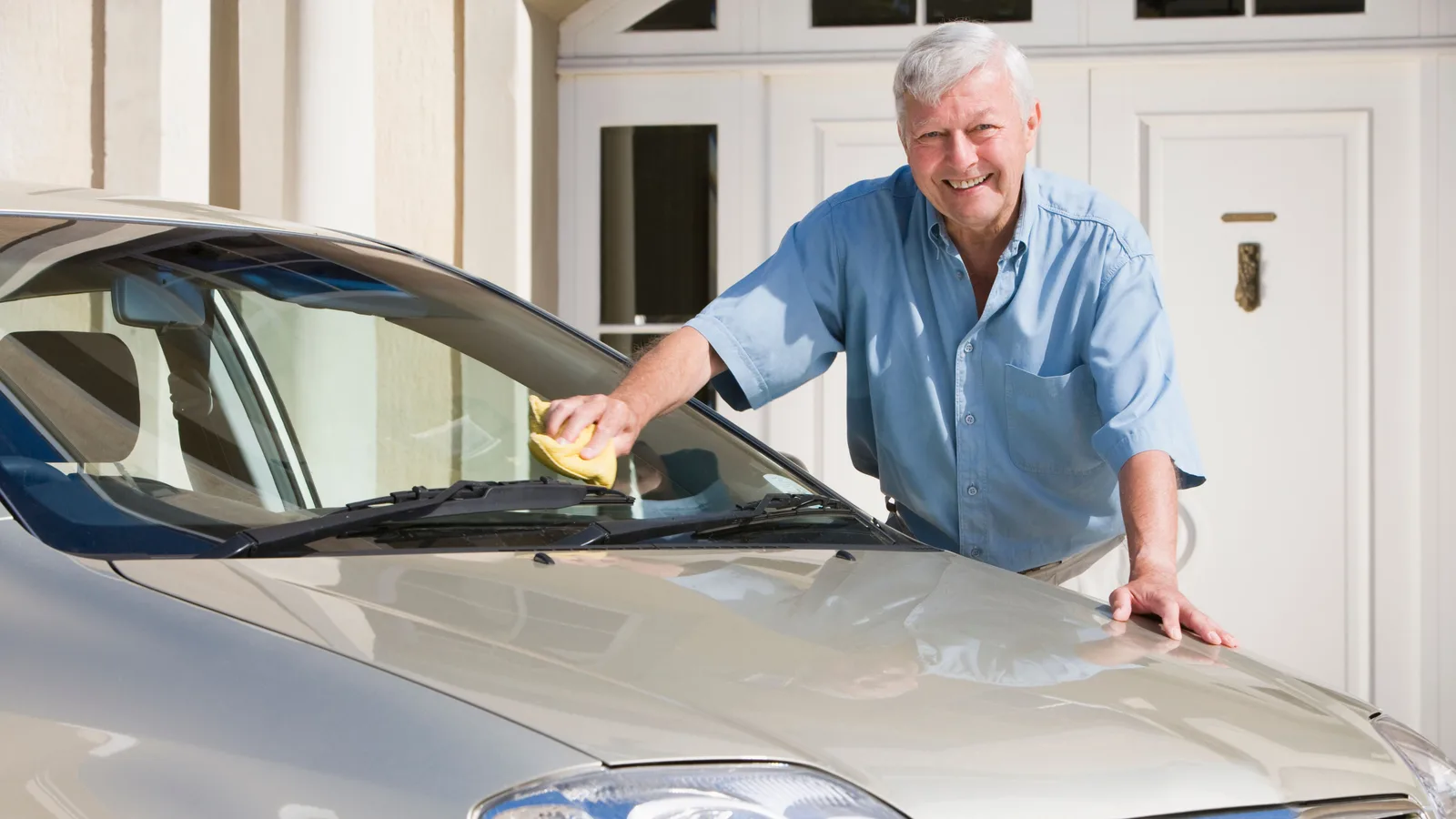
Best Car Polish 2026: 5 Picks for Every Budget
Five car polishes compared for UK drivers: Autoglym, Meguiar's, Chemical Guys and Turtle Wax, with advice on hand polishing and machine work.
The quick answer: which car polish is right for you?
A car polish is the step between washing and waxing: a mild abrasive liquid that smooths the top of the clearcoat, lifts wash marks and adds gloss so the paint reflects properly. It will not fill a scratch you can feel with a fingernail — that is compound territory, and usually a machine — but it is the single biggest visual improvement you can make to a tired-looking car in an afternoon.
- For most people, polishing by hand: Autoglym Super Resin Polish. Forgiving, easy to find and it visibly improves light swirls on the first pass.
- If you own a dual-action polisher: Meguiar's Ultimate Polish for depth on dark paint, or Chemical Guys VSS if you want swirls actually removed rather than hidden.
- If you want one bottle and one step: Turtle Wax Hybrid Solutions Ceramic Polish & Wax leaves protection behind as it polishes.
- If you are smartening up an older car on a budget: Turtle Wax Colour Magic Plus uses colour-matched pigment to disguise scuffs and light scratches.
The five best car polishes for 2026
Autoglym Super Resin Polish
Best overall
Rating4.5/5
The default choice for British driveways, and still the easiest way to make a scuffed daily driver look sharper. Super Resin Polish is a light all-in-one: mild abrasives clean and refine the clearcoat, while fillers settle into fine wash marks so the paint looks smoother straight away. Apply it with a foam applicator or a folded microfibre, work a panel at a time, then buff before it fully dries. It is very forgiving by hand and behaves well on a dual-action polisher with a soft pad. There is no real protection in the bottle, so follow it with a wax or sealant — the gloss it leaves is preparation, not the finish.
What we like
- Almost foolproof by hand, no machine needed
- Fillers hide light swirls on the first pass
- Works on solid, metallic and pearlescent paint
- Easy to find in UK motor factors and supermarkets
What to watch
- Light cut only: it will not remove scratches you can feel
- The filling effect fades over a few washes
- Needs a wax or sealant on top for durability
Meguiar's Ultimate Polish
Best for machine polishing
Rating4.5/5
A pre-waxing polish built around polishing oils and fine abrasives, sold in a 473ml bottle. Its party trick is gloss: on black, dark blue and red paint it leaves a deep, wet-looking finish that temporarily masks the fine haze a wash mitt leaves behind. On a dual-action polisher with a soft finishing pad it works for a long time, which makes it friendly for beginners, and it wipes off cleanly as long as you do not let it bake on. It is not a corrector — deeper swirls and scratches stay put — so treat it as the refining step after a compound, or as a gloss booster on paint that is already in decent shape.
Strengths
- Excellent depth on dark and metallic paint
- Long working time on a DA, hard to dry out
- Usable by hand on smaller areas
- A sensible refining step after compounding
Weaknesses
- Barely corrects; swirls stay in the paint
- Oils can mask defects rather than remove them
- Costs more per bottle than a high-street polish
Chemical Guys VSS Scratch & Swirl Remover
Best for swirl marks
Rating4.0/5
VSS stands for scratch and swirl remover, and it sits at the aggressive end of polish: fine abrasives that cut like a light compound but finish down like a polish. It is the pick if your clearcoat is covered in the spider-web marks left by a car wash or a dry towel — those genuinely come out rather than being filled. It needs a machine to justify itself: a dual-action polisher with a cutting pad, worked slowly in overlapping passes, then refined with a softer pad if you want maximum gloss. By hand it is hard work and the results are patchy, so it suits someone who has already bought the polisher.
Strengths
- Removes light wash marks rather than hiding them
- One step cuts and finishes on most clearcoats
- A 473ml bottle lasts several cars
Weaknesses
- Really needs a dual-action polisher
- Can leave haze if you stop working it too early
- Tiring and inconsistent by hand
Turtle Wax Hybrid Solutions Ceramic Polish & Wax
Best for polish plus protection
Rating4.0/5
The one-bottle answer for anyone who wants the car to look good and stay that way without a second stage. The polish element is light, so treat it as a gloss enhancer and mild cleaner; the SiO2 ceramic side leaves a slick, water-beading layer that shrugs off a few weeks of British weather. Apply it thin, work it in, then buff while it is still slightly hazy. It suits a well-kept car that needs a tidy-up before a long drive or a sale, not a neglected one that needs correction first.
Strengths
- Polishes and protects in a single pass
- Leaves a slick, water-beading finish
- Thin coats buff off easily by hand
Weaknesses
- Light cut: not a swirl remover
- The ceramic layer is not a long-term coating
- Residue can dry white on textured black trim
Turtle Wax Colour Magic Plus
Best budget fix for coloured paint
Rating3.5/5
A colour-matched polish that uses pigment as well as mild abrasives, so scratches, scuffs and stone-chip edges take on the colour of the surrounding paint instead of showing white. It comes in a range of common car colours, and it is the fastest way to lift the appearance of an older car before a part-exchange or a long trip. Expect a few weeks of benefit, not a permanent repair: the pigment sits in the defect and washes out over time. It is one of the cheapest ways to improve a scruffy panel without touching a spray gun.
Strengths
- Pigment blends light scratches into the paint colour
- Quick enough to do by hand in an hour
- A cheap way to smarten a car before selling
Weaknesses
- The effect is temporary and washes out
- No good on scratches through to primer
- You have to buy the colour that matches your car
How the five polishes compare
The table below is the honest version of the shortlist: none of these is strongest in every column, and the best polish for a five-year-old daily is not the best for a freshly resprayed classic. If you polish by hand twice a year, the light all-in-ones cover everything you need. If you already own a dual-action polisher, buy one light polish for gloss and one heavier product for correction, and keep them for different jobs.
| Polish | Best for | Cut level | By hand? | Protection |
|---|---|---|---|---|
| Autoglym Super Resin Polish | Everyday hand polishing | Light, with fillers doing much of the visual work | Yes — the most forgiving of the five | No — top with wax or sealant |
| Meguiar's Ultimate Polish | Gloss and refining before wax | Light polish, minimal correction | Yes, though it shines on a DA | No — polishing oils only |
| Chemical Guys VSS Scratch & Swirl Remover | Removing wash swirls and towel marks | Light compound level that finishes like a polish | Possible but hard work | No |
| Turtle Wax Hybrid Solutions Ceramic Polish & Wax | Gloss and protection in one pass | Light | Yes | Yes — SiO2 ceramic layer |
| Turtle Wax Colour Magic Plus | Hiding scratches on a budget | Very light, pigment-based filling | Yes | No — colour pigment only |
What to look for when buying car polish
- Cut level against your paint. Modern clearcoat is thin. A light polish used regularly is kinder than a compound you did not need, and it is the right call on anything under about ten years old that has been washed sensibly.
- Fillers or abrasives. Fillers (Super Resin Polish, Colour Magic Plus) improve the look instantly but wash out. Abrasives (VSS) remove the defect for good but need technique and, realistically, a machine.
- Hand or machine. Buy for the kit you own today. A hand polish that dusts, dries hard or needs heavy pressure will sit on the shelf.
- Protection in the bottle. One-step products save a Saturday morning; dedicated polishes give a better finish but demand a wax or sealant afterwards.
- How far a bottle goes. A little goes a long way — too much product is the most common mistake, and a 473ml bottle will see a hatchback through several years of twice-yearly polishing.
- Finish type. Matt, satin and vinyl-wrapped cars should not be polished with abrasives at all; they need a dedicated matt cleaner.
- Cut level matched to the paint
- 5.0/5
The most important decision. Over-cutting thin clearcoat is expensive to put right.
- Ease of use by hand
- 4.5/5
If it is hard work, you will stop doing it — and hand polishing is how most people use these.
- Filler versus abrasive action
- 4.0/5
Fillers give instant results that fade; abrasives fix defects permanently but need technique.
- Protection left behind
- 3.5/5
Worth paying for if you want one step, less important if you wax anyway.
- Value per bottle
- 3.5/5
A 473ml bottle covers several cars, so price per use matters more than price per shelf.
- High-street availability
- 3.0/5
Handy for a top-up mid-job, but never a reason to choose a worse polish.
How to get the best results from car polish
Preparation is most of the result. Wash the car, dry it, and run a clay bar over the paint if it feels rough — polishing over bonded contamination drags grit around and puts fresh scratches back in.
- Work in the shade. Polish on cool, dry paint; direct sun makes the product flash off before it has done anything useful.
- Use a clean face of the cloth. Fold a microfibre into quarters and turn it often, or fit a fresh foam pad on a dual-action polisher.
- Do small sections. Roughly 40cm square at a time, overlapping passes, light pressure — the polish does the work, not your shoulder.
- Buff before it dries. Once it goes chalky it stops cutting and becomes hard work to remove.
- Finish with protection. Wax, sealant or a ceramic spray, or the first rain undoes the whole job.
- Wash your pads and cloths. Grit trapped in a microfibre reinstates every swirl you just removed.
Our verdict
Frequently asked questions about car polish
Do I need a machine polisher to use these products?
No. Autoglym Super Resin Polish and both Turtle Wax products are designed to work by hand with a foam applicator or microfibre. Chemical Guys VSS, and to a lesser extent Meguiar's Ultimate Polish, give noticeably better results on a dual-action polisher, but both can be used on small areas by hand.
How much polish should I use per panel?
A blob about the size of a 50p coin is enough for a full panel. Using more just means extra buffing and wasted product, and it can dry before you get to it.
Can I polish straight over old wax?
Not effectively — a layer of wax stops the abrasives reaching the clearcoat. Strip old protection with a wash and a wipe-down with a panel wipe or diluted IPA before you start polishing.
Will polish get rid of stone chips and deep scratches?
No. Polish works on the top few microns of clearcoat. Chips and scratches you can catch with a fingernail need touch-up paint, wet sanding and compounding, or a bodyshop.
Is car polish safe on plastic headlights?
Mild polish is often used to clear yellowed plastic headlight lenses, but keep it off textured black trim and rubber, where white residue dries in the grain. Mask those areas first.
Related articles

Best Car Wax 2026:
5 Picks for Every Budget and Ability
Five car waxes that suit British roads and weather, from a durable paste for winter to a quick spray top-up — plus how to choose, apply and layer them.
Best Car Air
Fresheners 2026: 5 Picks for Every Budget
Five car air fresheners that genuinely last, from gel tins and vent clips to a fragrance-free charcoal bag — plus how to choose for your car.

Best Car Cleaner 2026:
5 Picks for Every UK Budget
Five car cleaners compared for UK drivers: a gentle shampoo for waxed paint, a concentrated snow foam, a rinseless wash and a budget option.