
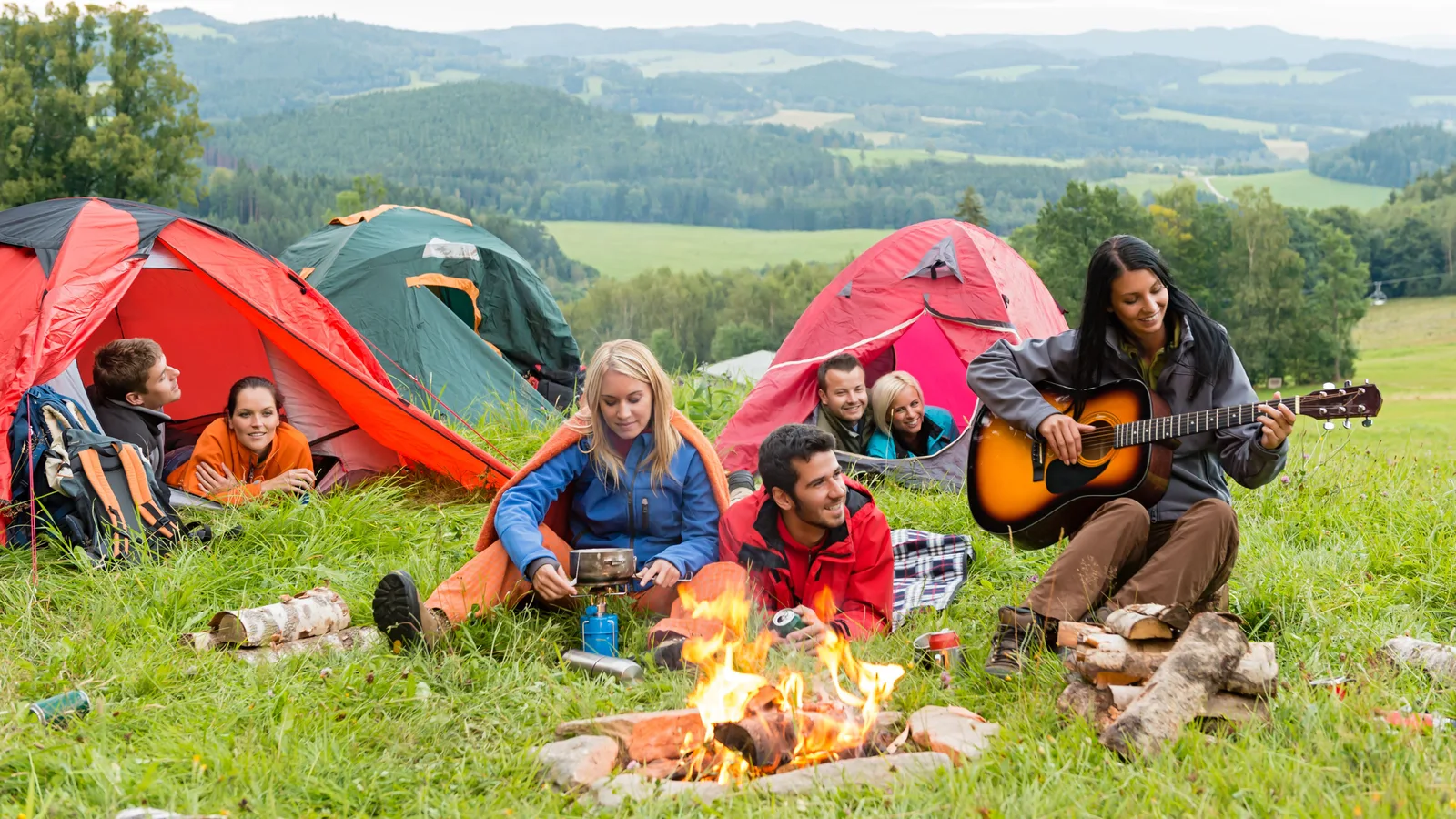
Best Cool Boxes 2026: 5 Picks for Every UK Road Trip
Five cool boxes for UK road trips, camping and festivals compared — hard, soft and electric — so you can pick the right one for your trip.
The quick answer: which cool box should you buy?
Most UK buyers need one of two things: a box that keeps a family's food cold through a week of camping, or a bag that gets a picnic to the beach and back without everything swimming in meltwater. Everything below is sold in the UK and is chosen for how it performs on a car-based trip — boot space, weight, and how easy it is to live with at a campsite.
Here is the short version:
- Best overall: the Yeti Roadie 24 — expensive, but it is the hard box that will still be earning its keep in ten years.
- Best for families on a budget: the Coleman Xtreme Cool Box 50QT — big, cheap and far better insulated than a supermarket picnic box.
- Best for long, hot, off-grid trips: the Dometic Patrol 35 — expedition-grade insulation in a two-person size.
- Best for day trips on foot: the Yeti Hopper Flip 18 — a soft cooler you can genuinely carry to the beach.
- Best for car-based days out: the Halfords 24L Electric Cool Box — cold drinks without ice, as long as you have a 12V socket to hand.
The five picks compared
| Cool box | Best for | Type | Suits |
|---|---|---|---|
| Yeti Roadie 24 | Best overall | Hard, rotomoulded | Couples and small families |
| Coleman Xtreme Cool Box 50QT | Best for families | Hard, wheeled version available | Big camping shops and festivals |
| Dometic Patrol 35 | Best for off-grid trips | Hard, rotomoulded | Long trips in hot weather |
| Yeti Hopper Flip 18 | Best soft cooler | Soft, shoulder carry | Picnics and day trips on foot |
| Halfords 24L Electric Cool Box | Best electric | Thermoelectric, 12V | Car-based days out |
The two rotomoulded boxes (the Yeti and the Dometic) are in a different league from the other three on ice retention, and you pay for it in cash and in weight. The Coleman is the value play for volume, the Yeti Hopper is the one you carry, and the Halfords box is the only pick here that needs power — which is either its whole point or a dealbreaker, depending on how you travel.
Best overall: Yeti Roadie 24
Yeti Roadie 24
Best overall
Yeti's rotomoulded hard cooler is the one to buy if you want a box that survives years of car boots, campsites and beach car parks. It is a one-piece moulded body with a thick lid gasket and a freezer-style latch, so it holds cold far better than a cheap blow-moulded box and it does not flex or rattle when it is full. The 24-quart size is aimed at couples or a small family for a weekend; it is heavy once loaded and the price is steep, but it is the sweet spot between a picnic box and a full expedition cooler. It is slim enough to slot behind a car seat, and Yeti's tie-down points and basket accessories make packing and strapping it down much easier.
Why it earns its price
- One-piece moulded body that shrugs off knocks
- Lid gasket and heavy-duty latch seal the cold in
- Slim shape fits behind a car seat or in a narrow boot
- Tie-down slots take straps and Yeti accessories
What to watch out for
- Costs more than most people spend on a cool box
- Heavy once it is full of ice and drinks
- Internal space is smaller than the outside suggests
Best for families: Coleman Xtreme Cool Box 50QT
Coleman Xtreme Cool Box 50QT
Best for families
Coleman's Xtreme range is the practical family choice: a big, cheap insulated box you can fill for a week's camping without wincing every time a child sits on the lid. The 50QT size takes a full shop plus ice, and there is a wheeled version if you would rather tow it from the car to the pitch than carry it. Insulation is a long way ahead of a basic picnic box — Coleman sells the range on multi-day ice retention — but the plastic is thinner than a rotomoulded box and the lid is a simple push-fit, so it will not match a Yeti across a hot week. For the money, nothing else gives you this much cold storage.
Why it earns its price
- Big capacity for the money
- Wheeled version saves your back on long pitches
- Better insulation than a supermarket picnic box
- Widely stocked in the UK, so spares and lids are easy to find
What to watch out for
- Thin walls compared with premium rotomoulded boxes
- Push-fit lid lets warm air in every time you open it
- Bulky to store between trips
Best for off-grid trips: Dometic Patrol 35
Dometic Patrol 35
Best for off-grid trips
The Patrol 35 is a rotomoulded ice box built for people who actually live out of a cool box — long weekends, festivals, fishing trips and hot weather. Dometic fits very thick insulation and a heavy-duty lid with a proper seal, and the whole thing feels like expedition kit rather than a picnic accessory. It is heavy and expensive, and 35 litres is a two-person size rather than a family one, but if cold food matters more than budget this is the box that will still be going in a decade. Moulded handles make it manageable for two people to carry when it is loaded.
Why it earns its price
- Very thick insulation for multi-day ice retention
- Rotomoulded body is extremely tough
- Strong lid seal and sturdy latches
- Manageable two-person size for car camping
What to watch out for
- Expensive for the volume you get
- Heavy even before you load it
- Too small for a big family's weekly shop
Best soft cooler: Yeti Hopper Flip 18
Yeti Hopper Flip 18
Best soft cooler
A soft cooler you can sling over your shoulder is what most people actually need: picnics, beach days, the boot of the car, a paddleboard session. The Hopper Flip 18 is Yeti's shoulder-carried day bag — waterproof fabric, a wide opening that is easy to load from a supermarket trolley, and a zip that seals far better than the cooler bags sold in service stations. It will not hold ice for days like a hard box, and the size is strictly a day's worth of food and drink for two or three people, but it squashes down for storage and weighs almost nothing empty. It also doubles as a decent boot bag for wet kit on the way home.
Why it earns its price
- Comfortable to carry on foot, with a proper shoulder strap
- Waterproof fabric and a sealed zip
- Wide mouth is easy to fill and easy to clean
- Takes up very little space when empty
What to watch out for
- Ice retention is a day, not a weekend
- Only suits two or three people for a day out
- Costs as much as a large hard box
Best electric cool box: Halfords 24L Electric Cool Box
Halfords 24L Electric Cool Box
Best electric cool box
If your trips are car-based and you want cold drinks without hunting for ice, a thermoelectric box is the cheap, simple answer. Halfords' own-brand 24-litre box runs off the 12V socket and holds its contents well below ambient temperature while you drive; check the box before you buy, because some kits in this class also include a mains adapter for a campsite hook-up. It is not a fridge — it cannot chill warm food down quickly and it will not hold temperature without power — so use it for pre-chilled drinks and picnic food on the move. The upside is weight: it is far lighter than a hard ice box of the same size, and there is no meltwater to deal with.
Why it earns its price
- Light for its size and easy to lift in and out
- Runs from the car's 12V socket while you drive
- No ice to buy, carry or drain
- Cheap, simple way to keep drinks cold on a long drive
What to watch out for
- Only cools relative to the outside temperature
- Needs constant power — flattening the car battery is a real risk
- Cannot chill warm food down quickly
How to choose a cool box
Ignore the marketing badge on the lid and work through these in order:
- Ice retention first. Rotomoulded boxes with thick walls and a sealing lid hold ice for days; thin blow-moulded boxes and soft bags hold it for a day at best. Be honest about whether you need two days or twelve hours.
- Size against your boot. Measure the space before you buy, and remember that ice takes up roughly a third of the usable volume. A box that looks huge in the shop fills up fast with a family's food.
- Weight when loaded. A large hard box full of ice and drinks takes two people to move. If you will be carrying it any distance from car to pitch, a wheeled hard box or a soft cooler wins.
- Lid seal and latches. A simple push-fit lid is fine for a picnic and frustrating on a hot campsite. Look for a gasket and a latch you can close one-handed.
- Cleaning and drainage. Food-safe liners and a drain plug make end-of-trip cleaning far less grim. Soft coolers need to dry fully or they smell.
- Where it lives between trips. Hard boxes take up garage space. If you have nowhere to store one, a soft cooler that folds flat is the realistic choice.
Hard, soft or electric: match the box to the trip
| What matters | Hard ice box | Soft cooler | Electric cool box |
|---|---|---|---|
| Ice retention | Best — thick insulation holds ice for days | A day out, not a multi-day trip | None — it only cools while powered |
| Weight when loaded | Heavy; often a two-person lift | Lightest option by far | Moderate, and no ice to add |
| Power needed | None | None | 12V socket or mains |
| Best for | Camping, festivals, self-catering cottages | Picnics, beach days, days out on foot | Driving holidays and motorhome days out |
| Faff factor | Buying ice and draining meltwater | Drying it out properly after every trip | Cable routing and battery care |
A sensible combination for a touring holiday is one hard box for food plus a soft cooler for drinks and the beach. If you are only ever moving between car parks and self-catering kitchens, the electric box is the least effort of the lot.
The verdict
Cool box FAQs
How long will a cool box keep food cold?
It depends far more on how you use it than on the badge. A thick-walled hard box packed with block ice and cold food, kept in the shade and opened rarely, will hold safe temperatures for a couple of days; a thin picnic box in direct sun will struggle to get past a single afternoon. Soft coolers sit in between and are best treated as a day-only option.
Should I use loose ice or freezer packs?
Block ice and sealed freezer packs last much longer than ice cubes, because cubes melt fast and leave you with a box of water. Use frozen water bottles as both coolant and a backup drink supply, and keep a couple of packs at the bottom as well as on top, since cold air sinks.
What size cool box do I need for a family?
As a rough guide, allow around 10 litres per person per day of food and drink, then add a third again for ice. A couple on a weekend is fine with something in the 20–30 litre range; a family of four for a week wants 50 litres or more, or two boxes split between food and drinks.
Can I leave a cool box in the car overnight?
You can, but expect it to lose cold quickly on a warm night, and never leave a cool box in a locked car in direct summer sun. If you are camping, move it into the shade of the tent porch or under the vehicle, and keep the lid shut.
Is a soft cooler worth it compared with a hard box?
Yes, if you carry it on foot. Soft coolers are light, fold flat and are far easier on the shoulder. They are not a substitute for a hard box over a multi-day trip, which is why plenty of campers travel with one of each.
Do electric cool boxes need the engine running?
They need a power source, not necessarily a running engine — but a 12V thermoelectric box will drain a car battery surprisingly quickly if left plugged in with the ignition off. Run it while driving and switch to a campsite hook-up, mains adapter or power pack once you stop.
Related articles

Best Car Wax 2026:
5 Picks for Every Budget and Ability
Five car waxes that suit British roads and weather, from a durable paste for winter to a quick spray top-up — plus how to choose, apply and layer them.
Best Car Air
Fresheners 2026: 5 Picks for Every Budget
Five car air fresheners that genuinely last, from gel tins and vent clips to a fragrance-free charcoal bag — plus how to choose for your car.

Best Car Cleaner 2026:
5 Picks for Every UK Budget
Five car cleaners compared for UK drivers: a gentle shampoo for waxed paint, a concentrated snow foam, a rinseless wash and a budget option.