
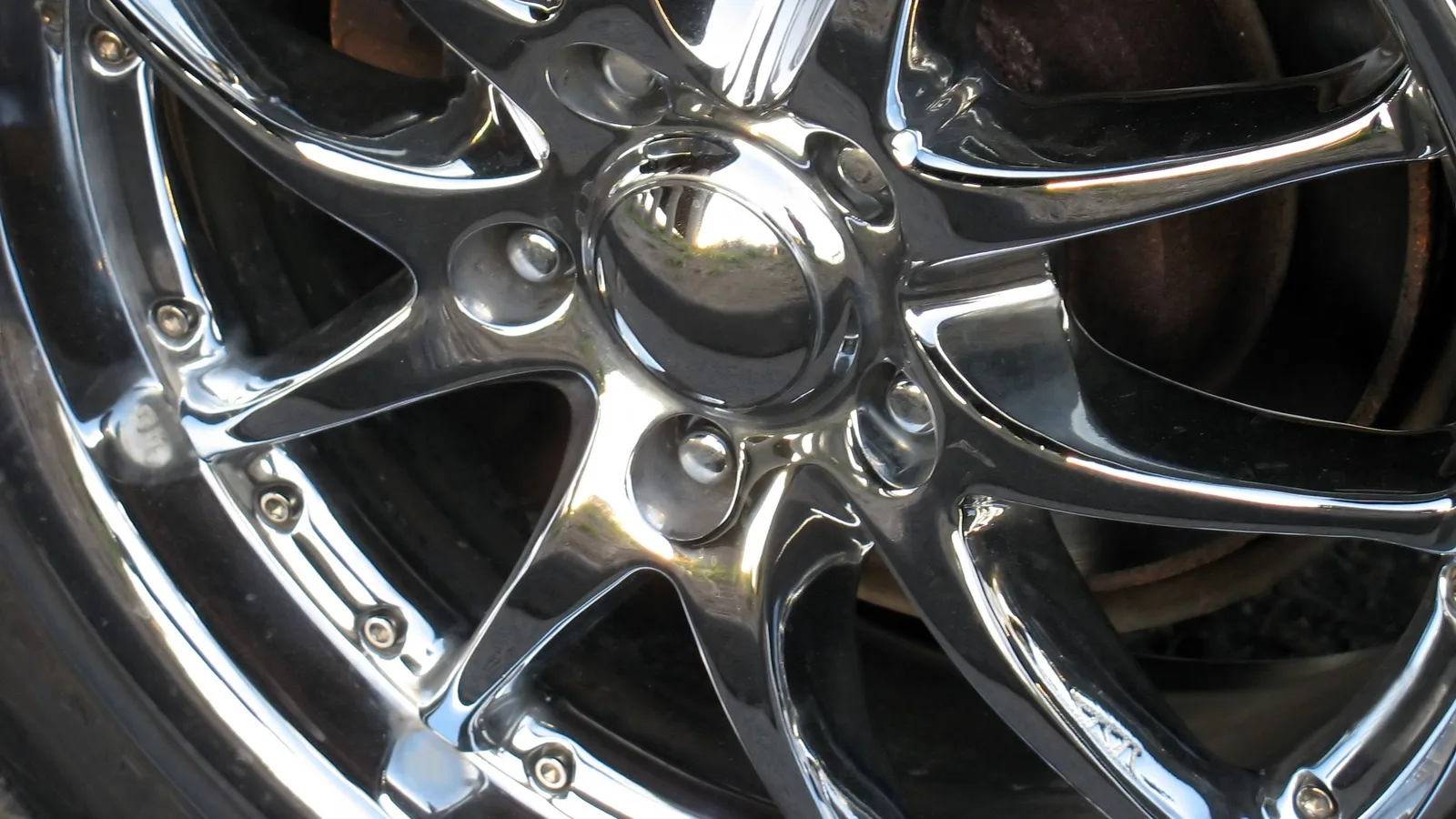
Hankook Tyres Review 2026: Which Models Suit UK Roads?
Hankook tyres reviewed for UK drivers: where the range shines, where it trails premium brands, how it scores and which model to buy.
Hankook tyres review: the verdict up front
Hankook is no longer the bargain-bin name it was twenty years ago. The South Korean manufacturer now supplies original-equipment tyres to a string of European car makers, so there is a fair chance the car on your driveway left the factory on a set. In the UK it sits in the mid-premium bracket: clearly a step above the cheapest imports, and close enough to the big European premiums that most drivers would struggle to tell them apart on an ordinary commute.
The range is broader than most people realise, which is both the brand's strength and its main source of confusion. Summer performance rubber, eco-touring tyres, all-season fitments, SUV and 4x4 patterns, van tyres and cold-weather options all sit under the same badge, and the model names differ from market to market.
Strengths and weaknesses in plain terms
Hankook's appeal is consistency. The cheap end of the range does not feel like an afterthought, and the expensive end does not rely on a hard, noisy compound to chase a sporty label. Where it gives ground is at the extremes: refinement on coarse motorway surfaces, and the last degree of steering feel that a keen driver notices on a dry B-road.
What we rate highly
- Genuine mid-premium quality that generally undercuts the big European brands
- One of the widest ranges around: summer, all-season, winter, SUV and van patterns
- Reassuring, predictable behaviour in the wet — the condition that matters most here
- Consistent quality across price points; the budget models still feel properly built
- Strong original-equipment presence, which means proven fitments for many popular cars
Where it falls short
- Road noise and ride comfort trail the best premium touring tyres on coarse surfaces
- Sporty patterns give away some dry steering feedback to premium performance rivals
- Model names and suffixes vary between markets, which makes like-for-like shopping fiddly
- Low-profile and less common sizes can be harder to source at short notice
- All-season and winter patterns are not stocked by every fitting chain
How Hankook scores on the criteria that matter
These scores are relative to the mid-premium market rather than to budget rubber, because that is the fight Hankook is actually in. A 4 here means genuinely good for the money; a 5 would mean class-leading.
- Value for money
- 4.5/5
The strongest argument for the brand: mid-premium behaviour at prices that usually sit below the European premium names.
- Wet grip and braking
- 4.0/5
Confident and progressive in the rain, with no nasty surprises when standing water appears on a motorway.
- Dry handling and steering feel
- 4.0/5
Composed and safe on a dry B-road, though the sportier patterns don't quite match the sharpest premium rivals.
- Comfort and road noise
- 3.5/5
Perfectly acceptable around town; the weakest area at motorway speed, especially on coarse tarmac.
- Treadwear and longevity
- 4.0/5
Touring and eco patterns hold up well with sensible pressures and correct alignment.
- Range coverage
- 4.5/5
Family cars, crossovers, vans and winter fitments are all covered, which few mid-market brands manage.
The Hankook tyre families explained
Hankook sells several distinct families, and choosing the wrong one is the most common way buyers end up disappointed. Names and suffixes differ slightly between markets, so always check the exact model code moulded into the sidewall rather than relying on a website photo.
| Family | Type | Best suited to |
|---|---|---|
| Ventus (e.g. Ventus Prime, Ventus S1 evo) | Summer performance and touring | Sporty hatchbacks, saloons, estates and enthusiastic daily driving |
| Kinergy (e.g. Kinergy Eco, Kinergy 4S) | Eco-touring and all-season | Family cars, town driving, commuters and year-round use |
| Dynapro | SUV and 4x4 | Crossovers, pickups, heavier SUVs and tow cars |
| Winter i*cept | Cold-weather winter | Rural and upland drivers facing regular frost, slush and low temperatures |
| Vantra | Van and commercial | Panel vans, camper conversions and load-carrying vehicles |
Hankook tyres on British roads
UK driving punishes tyres in ways a spec sheet does not capture. Broken surfaces, standing water, constant temperature swings and long, steady motorway slogs all pull in different directions.
- Wet grip earns its keep. Most British journeys involve damp tarmac, and a tyre that is merely average in the wet is a false economy. This is where Hankook's mid-premium positioning pays off.
- Potholes and kerbs. A softer sidewall absorbs impacts better but feels vaguer when cornering; Hankook sits towards the comfortable end without becoming mushy.
- Motorway drone. Coarse concrete and top-dressed tarmac are where cheaper tyres reveal themselves. Hankook is fine here, but premium touring rubber is noticeably quieter.
- Mixed seasons. An all-season pattern makes sense for most drivers who see a handful of frosty mornings a year; a dedicated winter set is worth it only if you regularly drive rural or upland routes.
Who should buy Hankook tyres — and who should not
The high-mileage commuter. If you spend your week on A-roads and motorways, a Ventus or Kinergy touring pattern gives you stable wet behaviour and sensible wear without premium pricing.
The family fleet manager. One brand covering a hatchback, a crossover and a small van keeps things simple, and Hankook's range genuinely runs that wide.
The caravanner or camper. Dynapro and Vantra patterns cover tow cars and converted vans, but pay close attention to load index — towing and a fully loaded camper put far more stress through the sidewalls than solo driving.
The rural driver. If your lane is untreated in winter, a Winter i*cept set on a second set of wheels will do more for your safety than any gadget.
Who should look elsewhere. Drivers chasing the last word in refinement, or owners of high-performance cars who want the sharpest dry steering, will still find more satisfaction in premium performance ranges. Anyone needing a rare size quickly should also check stock before committing to the brand.
How to buy Hankook tyres without regret
Read the sidewall before you shop
Note the width, profile, rim diameter, load index and speed rating from your current tyre. All five must match or exceed the originals — fitting a lower load index or speed rating can invalidate your insurance.
Choose the pattern to match your driving
Motorway miles suit a touring or eco pattern; spirited weekend driving suits Ventus; a crossover or tow car needs Dynapro. Buying a sporty pattern for a car that only does the school run just buys you extra noise.
Decide between summer, all-season and winter
Most British drivers are best served by a good all-season or a summer tyre plus restraint in snow. Only commit to a second winter set if you face regular ice, slush or untreated lanes.
Check the EU tyre label, then look past it
Wet grip and noise class are useful filters, but the label does not measure wear, aquaplaning resistance or comfort. Treat it as a starting point, not the whole decision.
Fit in matching pairs at minimum
Ideally replace all four together. If you must do two, put the new pair on the rear axle and keep brand and pattern identical across each axle.
Inspect the date code and the fitter
The four-digit DOT code on the sidewall tells you the week and year of manufacture. Reject anything that has been sitting around for years, and use a fitter who balances the wheels and checks alignment.
Getting the most out of a set of Hankooks
No tyre performs at its best on the wrong pressures. Check them monthly when cold, and adjust for a full load or a tow bar before a long trip — the handbook will give you the loaded figures.
Watch the tread depth as the tyres age. The legal minimum in the UK is 1.6mm across the central three-quarters of the tread, but wet performance falls away well before that; many drivers replace at around 3mm rather than waiting for the limit. Look for uneven wear across the tread too, which usually points to alignment or pressure problems rather than a fault with the tyre.
After a hard kerb strike or a deep pothole, have the wheel and alignment checked. A Hankook that has been run out of shape or misaligned will wear quickly and feel vague, and no amount of balancing will fix a bent rim.
Hankook tyres: common questions
Are Hankook tyres a budget brand?
No. Hankook positions itself in the mid-premium market and supplies original equipment to several car makers, so it competes with mainstream European brands rather than with the cheapest imports.
Where are Hankook tyres made?
Hankook is a South Korean company with manufacturing in several countries. The plant that produced your particular tyre is marked on the sidewall, alongside the date code.
Do Hankook tyres last as long as premium brands?
Wear life depends far more on the pattern, your driving style, pressures and wheel alignment than on the badge. Hankook's touring and eco patterns hold up well, but no tyre survives neglected alignment.
Can I mix Hankook tyres with another brand?
It is legal if the tyres on each axle match in size, construction and type, but mixing patterns or brands across an axle can unsettle wet braking and handling. Matching pairs on each axle are the sensible minimum.
Which Hankook tyre is best for a typical UK family car?
A Kinergy all-season pattern suits most year-round family driving, while a Ventus touring or performance pattern is a better match if you regularly drive briskly on dry roads and rarely see snow.
Should I replace all four tyres at once?
It is the ideal, because it keeps grip balanced front and rear. If budget only stretches to two, fit them to the rear axle and keep the same brand and pattern across each axle.
Related articles

Autoglym Review 2026:
Which Car Care Products Are Worth It?
A practical Autoglym review for UK drivers: what the brand does best, where it falls short, which products suit everyday cars and when to look elsewhere.
Falken Tyres Review
2026: Strong Value, A Few Rough Edges
Falken tyres reviewed: where the Japanese mid-market brand shines, where it falls short, which ranges suit which cars and how to buy a set.

Garmin Dash Cam Review
2026: The Discreet UK Favourite?
A clear-eyed Garmin dash cam review: footage quality, the Drive app, parking mode and subscription costs, plus who should buy one for UK roads.