
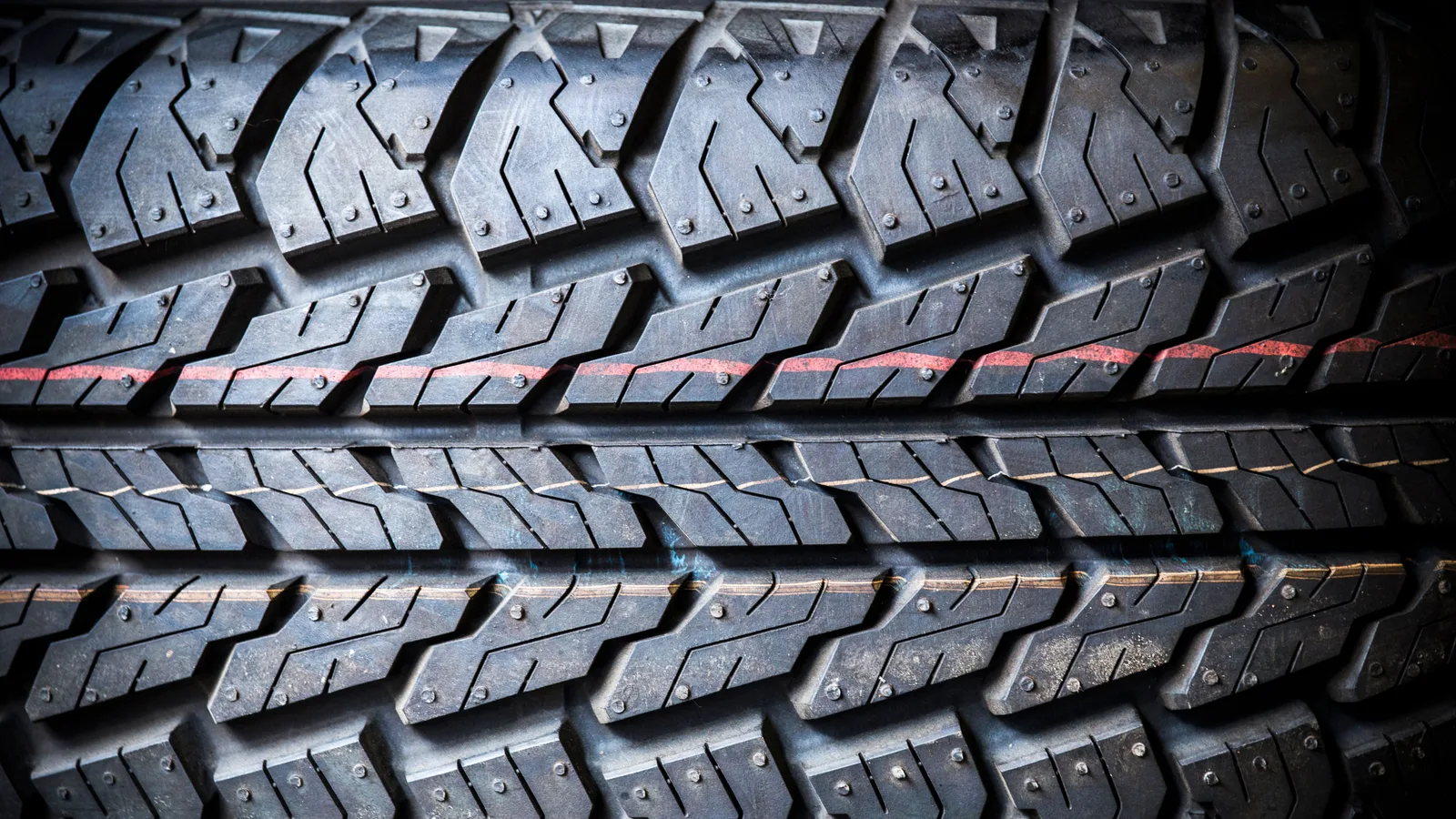
Nexen Tyres Review 2026: A Fair Deal or a False Economy?
Nexen tyres reviewed: where this Korean mid-range brand fits, which range suits your car, and when it's worth paying more for premium rubber.
Nexen tyres: what you're actually buying
Nexen is a South Korean tyre maker with a straightforward pitch: most of the performance of a mainstream European brand, at a price closer to the budget end of the shelf. In Britain you meet it most often as a fitter's recommendation, as factory fitment on Korean cars and a handful of European models, or on a used car where someone has swapped a set of worn premium tyres for something cheaper.
That makes the brand worth understanding rather than dismissing. Nexen tyres are built to the same European standards as everyone else's, carry the same EU tyre label, and are sold through ordinary fitting chains rather than back-street importers. What you give up is the last few per cent — mostly wet-weather margin and refinement — rather than basic safety or legality.
The important thing to grasp before you buy is that "Nexen" is not one tyre. The company builds four quite different families, and the gap between its best and weakest product is wider than the gap between Nexen and some premium brands.
- Origin
- South Korea, founded 1942
- Market position
- Mid-range: below Michelin, Continental and Bridgestone on price
- Car tyre families
- N'Fera (sporty), N'Blue (touring and eco), Winguard (winter and all-season), Roadian (SUV and 4x4)
- Typical UK fitment
- Family hatchbacks, saloons, crossovers, SUVs and 4x4s
- Original equipment
- Fitted from the factory on various Korean and European models
- Where to buy
- Mainstream tyre chains, independent fitters and online fitting services
Our verdict
Pros and cons
What Nexen does well
- Genuine value: mid-range prices without the premium-brand markup on most popular sizes
- A broad catalogue that covers city cars, family hatchbacks, crossovers and 4x4s
- Original-equipment supply to several car makers, so quality control isn't an unknown quantity
- Comfortable, quiet ride on the touring N'Blue range at everyday speeds
- A proper winter line in the Winguard family, not just token all-season rubber
Where it falls short
- Wet-weather grip trails the leading premium tyres, which is exactly the condition British drivers meet most often
- The sportier N'Fera tyres prioritise grip over refinement, so expect more road noise on coarse surfaces
- The winter catalogue is smaller than Continental, Michelin or Nokian, so odd sizes can be hard to find
- Part-worn and resale desirability is weaker than premium brands, which matters if you change cars often
How Nexen scores on the things that matter
These scores reflect where Nexen sits against the premium brands above it and the better budget names below it, judged across the ranges most British drivers actually buy. They are a position in the market, not a set of laboratory results.
- Dry grip and steering response
- 4.0/5
Confident on the N'Fera and Roadian ranges; turn-in is crisp enough for fast A-road driving without feeling nervous.
- Wet-weather confidence
- 3.5/5
Perfectly safe and legal, but standing water and hard braking are where the gap to a premium tyre is most obvious.
- Comfort and refinement
- 3.5/5
The touring ranges are genuinely quiet and absorb broken surfaces well; the sportier tyres transmit more texture into the cabin.
- Wear and value for money
- 4.0/5
Wear is reasonable for the price and the purchase cost is the real draw — the cheapest route to a branded tyre in many sizes.
- Winter and all-season choice
- 3.5/5
Winguard winter tyres are a real step up from all-season compromise, but the size list is narrower than the big European brands.
- Availability and fitting support
- 4.0/5
Stocked widely by chains and independents, so a replacement mid-tour or after a puncture is rarely a problem.
The ranges explained
| Range | Who it's for | What to expect |
|---|---|---|
| N'Fera | Sporty hatchbacks, saloons and performance SUVs | Grip-biased summer rubber with firmer sidewalls, sharper turn-in and more road noise |
| N'Blue | Family cars, commuting and high motorway mileage | Comfort and low rolling resistance first; softer responses in exchange for a calmer ride |
| Winguard | Cold-weather use, rural roads and winter driving abroad | Winter and all-season tyres; the right pick once temperatures sit below about 7°C |
| Roadian | SUVs, crossovers, pickups and 4x4s | Heavier construction for taller vehicles, from road-biased to all-terrain patterns |
For a single set on a family car in Britain, the N'Blue family is the sensible default: it's the range that best matches our weather, our road surfaces and the way most people drive. If you run something warm-hatch shaped and enjoy a B-road, the N'Fera line gives you more grip at the cost of some comfort. If you live somewhere exposed, tow a caravan down muddy tracks or drive to the Alps in February, the Winguard winter tyres are the reason to choose Nexen over a cheaper unknown. The Roadian family is worth a look if you drive an SUV whose original tyres have worn out and you can't stomach premium replacement prices.
Where Nexen makes sense on UK roads — and where it doesn't
Nexen's case is strongest where the tyre's job is undemanding and the cost saving is real:
- Commuting and the school run. The N'Blue range's comfort bias and lower rolling resistance suit short, stop-start journeys where ultimate grip never gets tested.
- Second cars and older vehicles. On a car worth a few thousand pounds, a set of Nexens can be the difference between fresh rubber and running worn tyres for another year.
- Rural and cold-weather use. Winguard winter tyres on a small hatchback will outperform a premium summer tyre on a frosty lane, and cost less.
- Towing with an SUV. Check the load index carefully — a Roadian with the right rating is cheaper than the premium equivalent and handles a caravan's nose weight without complaint.
It's weaker where you'd expect:
- High-mileage motorway driving in the rain. This is where wet braking and aquaplaning resistance earn their money, and where the premium brands still have a clear edge.
- Refinement at speed. The sportier Nexen tyres are noticeably louder on coarse motorway surfacing than a premium touring tyre.
- Odd sizes. If your car runs an unusual winter size, the Winguard list may simply not cover it.
Buying advice: choosing the right Nexen
Start with the sidewall
Note the full size — something like 205/55 R16 91V. Buy that exact size unless the handbook lists an alternative, because changing width or profile affects your speedometer and should be declared to your insurer.
Check the load index and speed rating
Both must meet or beat the minimum on the car's tyre placard, usually on the driver's door pillar or inside the fuel flap. Fitting a lower rating to save money is a false economy and can invalidate cover.
Compare the EU label, not just the price
Wet grip and external noise are the grades that matter most in Britain. Fuel efficiency is a distant third for most drivers unless you're doing serious mileage.
Check the date code
Four digits after the DOT marking give the week and year of manufacture. Tyres don't expire like milk, but a set that has sat in a warehouse for years starts its working life already older.
Ask for a fitted price per corner
Valves, balancing and disposal of the old tyres are often quoted separately. Get the all-in figure for four tyres before you agree, then compare it with the premium quote on the same size.
Looking after a set of Nexen tyres
Any mid-range tyre will outlast a premium one that's been neglected, so the boring jobs matter more than the badge.
- Check pressures monthly, when cold. Under-inflation is the fastest way to destroy a shoulder and the easiest thing to fix.
- Watch the tread. The legal minimum in the UK is 1.6mm, but wet grip falls away well before that — many drivers replace at around 3mm for British winters.
- Rotate front to back at the interval in your handbook. Front-wheel-drive cars wear the fronts roughly twice as fast, and rotation evens out the set.
- Get the alignment checked after kerbing a wheel or hitting a pothole hard. A misaligned car will scrub the edges off a new set in a few thousand miles.
- Store winter tyres properly — upright, out of sunlight, away from solvents — if you swap between summer and winter sets.
Frequently asked questions about Nexen tyres
Are Nexen tyres any good?
For the money, yes — with the caveat that the range matters. The touring N'Blue and winter Winguard families are the value picks. The sportier tyres are competent but less of a bargain once premium sets are discounted.
Where are Nexen tyres made?
Mainly in South Korea, with additional production in China, the Czech Republic and the United States. The sidewall of the tyres you buy states the country of manufacture for that specific set.
Does Nexen make winter tyres?
Yes. The Winguard family covers winter and cold-weather tyres, and the N'Blue 4Season covers all-season use. Look for the three-peak mountain snowflake marking if you need genuinely winter-rated rubber.
Can I use Nexen tyres for motorway driving?
Yes, provided the size, load index and speed rating match the car's requirements. They're entirely legal and technically suitable; the trade-off is refinement and wet-weather margin at sustained speed, which matters most in heavy rain.
How long will a set of Nexen tyres last?
There's no single figure — wear depends on the compound, the weight of the car, alignment, pressures and how you drive. Check tread depth monthly and treat the 1.6mm indicator bars as the legal floor, not a target.
Related articles

Autoglym Review 2026:
Which Car Care Products Are Worth It?
A practical Autoglym review for UK drivers: what the brand does best, where it falls short, which products suit everyday cars and when to look elsewhere.
Falken Tyres Review
2026: Strong Value, A Few Rough Edges
Falken tyres reviewed: where the Japanese mid-market brand shines, where it falls short, which ranges suit which cars and how to buy a set.

Garmin Dash Cam Review
2026: The Discreet UK Favourite?
A clear-eyed Garmin dash cam review: footage quality, the Drive app, parking mode and subscription costs, plus who should buy one for UK roads.